
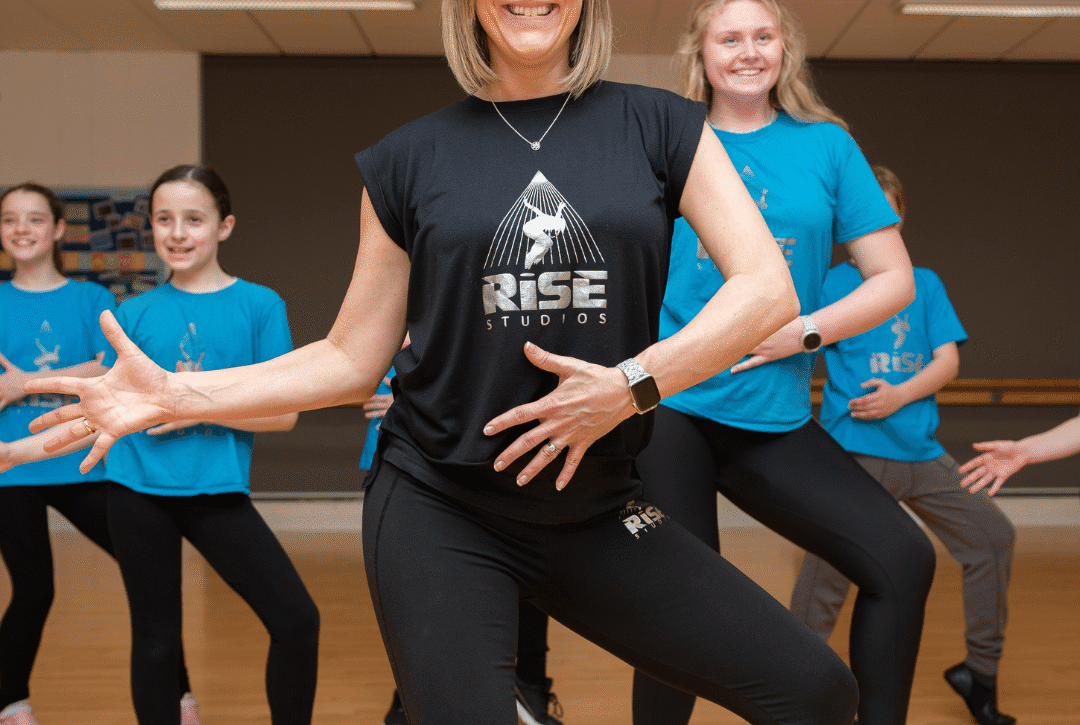
Why Teenagers Should Keep Dancing Through GCSEs
As teens approach their GCSE years, many parents are faced with tough choices about how to manage time, priorities, and stress. One of the most common casualties? Dance classes. But before you encourage your teenager to hang up their ballet shoes, let’s talk about why continuing dance during GCSEs might be one of the best decisions you can make.
In this blog, we explore the many benefits of dance for teenagers, especially during high-pressure times like exam season. So, what’s the pointe?
Dance Offers Stress Relief During GCSE Years
There’s no denying that GCSE preparation brings a lot of stress for both students and parents. Revision timetables, mock exams, and academic expectations can quickly become overwhelming. Engaging in physical activities like dance can provide essential stress relief during GCSEs.
Dance is a proven mood booster. It releases endorphins, improves concentration, and helps teens manage anxiety. Rather than being a distraction, teen dance classes offer balance, a chance to clear the mind, reset, and return to studies with renewed focus.
Dance Teaches Discipline, Focus and Time Management
Some parents worry that extracurricular activities during GCSEs take away from revision time. But in reality, maintaining structured activities like dance can actually help teenagers become more organised.
Dance instils discipline, commitment, and focus, the very same qualities needed to succeed in exams. It also teaches time management, helping teens structure their week more effectively and use their revision time more productively.
Supporting Teen Mental Health Through Movement
The teenage years are an emotional rollercoaster, and the added pressure of exams can make mental health struggles more likely. Dance provides a much-needed outlet. It’s a safe, creative space where teens can express themselves, connect with others, and feel supported.
In fact, many parents are now realising how important mental health support for teens is and how extracurricular activities like dance play a vital role in emotional wellbeing.
Don’t Let Them Lose Their Spark
Many children begin dancing at a young age and grow up with a deep love for movement and performance. Quitting during their GCSE years can feel like losing a part of themselves.
By encouraging them to keep going, even once a week, you’re teaching them that their passions matter. That joy, creativity, and wellbeing are just as important as academic success. And that’s a lesson they’ll carry with them long after the exam results come in.
So, What’s the Pointe?
The pointe is this: Teenagers don’t need to quit dance to succeed at GCSEs. In fact, keeping active, creative and socially connected might be the very thing that helps them thrive, not just academically, but emotionally too.
Before making the decision to pause or stop their dance journey, ask yourself,
Is this really a distraction or could it be a lifeline?
